Summary
An RV park, an RV resort, and a campground all serve travelers with a trailer or motorhome, but they differ in size, price, and the range of extras available on-site. Knowing these distinctions before booking helps campers pick a stay that actually matches their trip, whether that means quiet simplicity or a full activity calendar.
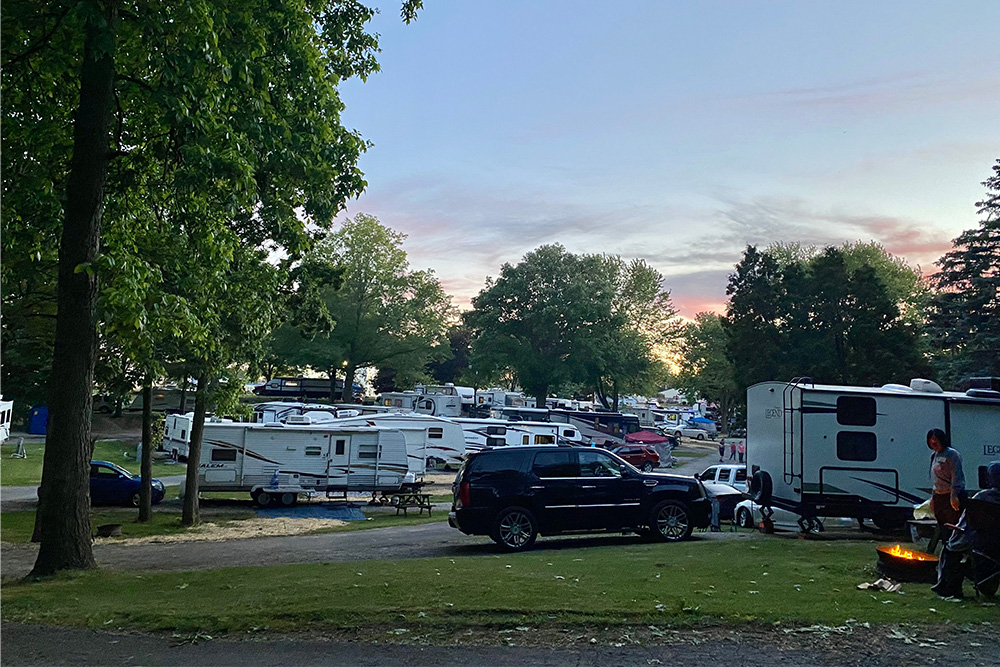
What is an RV park? An RV park is a property divided into individual sites where travelers can park a trailer, fifth wheel, or motorhome. Stays may last one night, a week, or even an entire season.
Most sites include water, sewer, and electric hookups. Many also have paved or gravel pads designed for pull-through or back-in parking. Some properties add amenities such as a pool, playground, or laundry room, giving guests a few convenient extras without creating a full resort experience.
Rates at an RV park generally fall between a basic public campground and a high-end RV resort. Travelers often choose this type of property because they value reliable hookups, clean grounds, and a convenient location more than a long list of amenities they may never use.
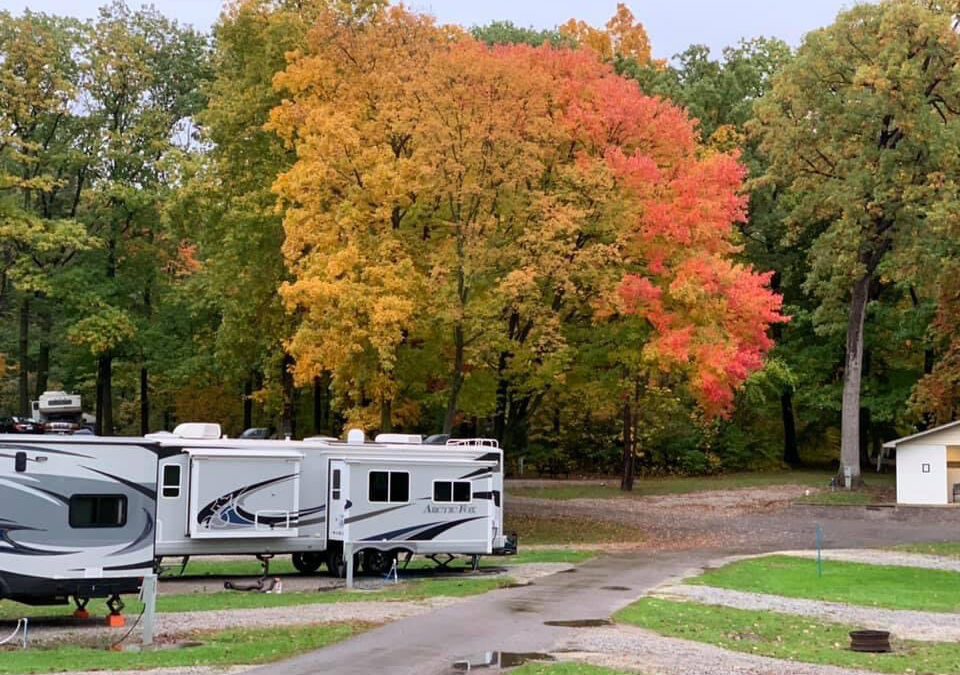
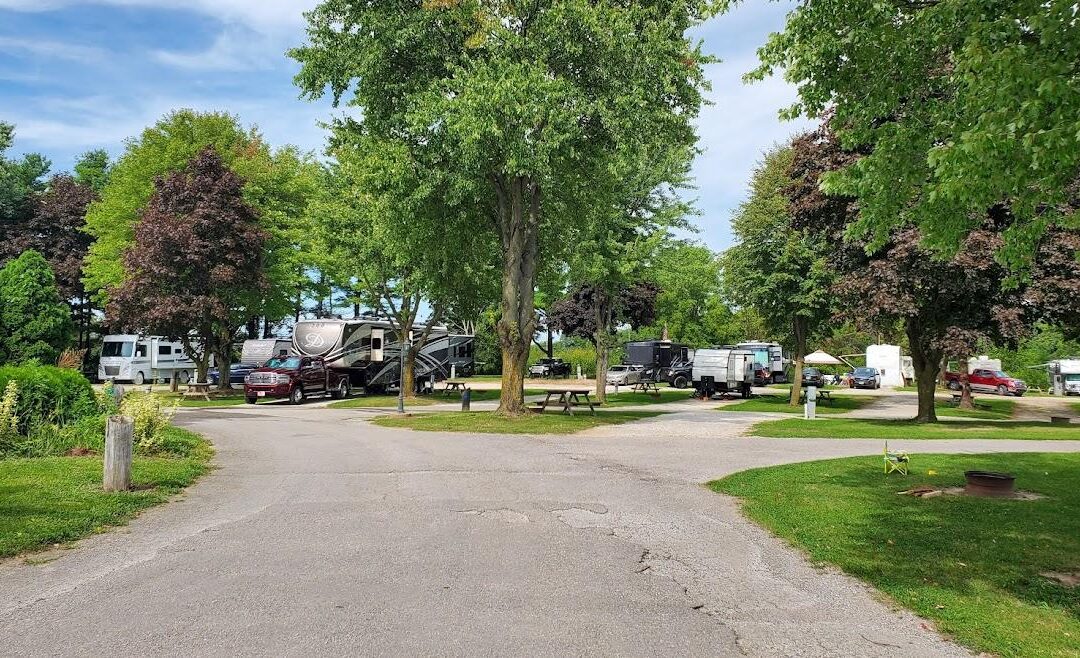
Sandusky Milan RV Park fits this description closely. Its roads were repaved in 2024, every site includes full hookups, and the property sits just ten minutes from Sandusky, Huron, and Milan.
What Is An RV Resort?
An RV resort takes the traditional campground experience several steps further. Instead of focusing mainly on parking and essential hookups, these properties are designed to function as vacation destinations.
Guests may find multiple swimming pools, restaurants, fitness centers, planned entertainment, and other recreational facilities. Some larger resorts also feature marinas, golf courses, spas, or direct waterfront access.
RV resort sites are often more spacious as well. Extra landscaping, larger pads, and privacy features can create a more residential feel.
This setup appeals to families and long-term travelers who want plenty to do without leaving the property. The trade-off is a higher nightly or weekly rate. Once a resort adds extensive recreational facilities and staffed amenities, the cost can rise quickly.
For travelers planning a short weekend getaway or trying to keep expenses under control, those extras may not be worth the additional cost. A nearby RV park can deliver the basic comforts they need at a much lower rate.
What Sets Campgrounds Apart?
Campgrounds cover a much broader category and can include both public and private properties.
Public campgrounds are often managed by state parks, forests, or other government agencies. Facilities may be limited to a designated campsite, fire ring, picnic table, and nearby restroom. Electrical and sewer hookups are less common, particularly at more rustic locations.
The surroundings are often the main attraction. Hikers, tent campers, anglers, and minimalist RV travelers may specifically seek out these sites because they want to spend more time outdoors and less time around developed facilities.
Private campgrounds tend to resemble RV parks more closely. They may have full or partial hookups, restrooms, showers, laundry facilities, and shared recreational areas. The quality and range of amenities can vary considerably from one property to another.
For travelers, the right choice largely depends on their priorities. Someone looking for solitude and a more natural setting may prefer a public campground. A traveler who wants reliable Wi-Fi, a hot shower, and convenient hookups may find a private campground or RV park more suitable.
Comparing Amenities Across Each Option
Amenities are one of the clearest ways to distinguish these three types of accommodations.
A basic public campground may have little more than a cleared campsite and a fire pit. An RV park typically adds practical conveniences such as a swimming pool, general store, dog run, and playgrounds. These features cover the needs of many families without turning the property into a full-scale vacation complex.
RV park amenities at a well-maintained property may also include laundry facilities and a game room. Small conveniences like these can make a noticeable difference after a long day of driving or sightseeing.
RV resorts take the amenity list much further. Guests may have access to multiple pools, spa services, organized excursions, fitness facilities, restaurants, and other recreational options.
For travelers planning a short weekend getaway or trying to keep expenses under control, those extras may not be worth the additional cost. A nearby RV park can offer the essential features many travelers need at a lower rate.
If you’re still wondering “What is an RV park,” it is generally a simpler accommodation focused on convenient RV sites, hookups, and practical amenities rather than a full vacation-resort experience.
Activities and Daily Life at Each Stop
The activities available at each type of property can also shape the overall experience.
Public campgrounds generally have fewer organized events. Guests typically determine their own schedules, with activities centered around hiking, fishing, boating, wildlife viewing, or relaxing at the campsite. This format appeals to travelers who prefer an independent outdoor experience.
RV parks close that gap somewhat. RV park activities commonly include cornhole tournaments, karaoke nights, and seasonal events for kids, giving families something to do without the rigidity of a resort’s fully booked itinerary.
RV resorts generally have the most extensive activity schedules. Some publish weekly calendars featuring classes, guided excursions, live entertainment, games, and other events.
For families with young children, however, a full activity calendar is not always necessary. A swimming pool, playgrounds, and open recreational areas may provide sufficient entertainment while leaving more flexibility in the daily schedule.
Location and Access to Regional Attractions
The location of a property can be just as important as its on-site amenities. A campground in a remote forest may provide exceptional scenery and privacy, but restaurants, shopping, and entertainment could be a considerable distance away.
An RV park located closer to established communities provides a different combination of convenience and privacy. Guests can spend time at the property while remaining within a short drive of restaurants, attractions, shopping districts, and outdoor recreation.
This proximity can be particularly valuable for families planning a varied itinerary. A property near an amusement park, waterfront, boardwalk, or historic downtown makes it possible to explore the surrounding area without spending substantial time traveling between destinations.
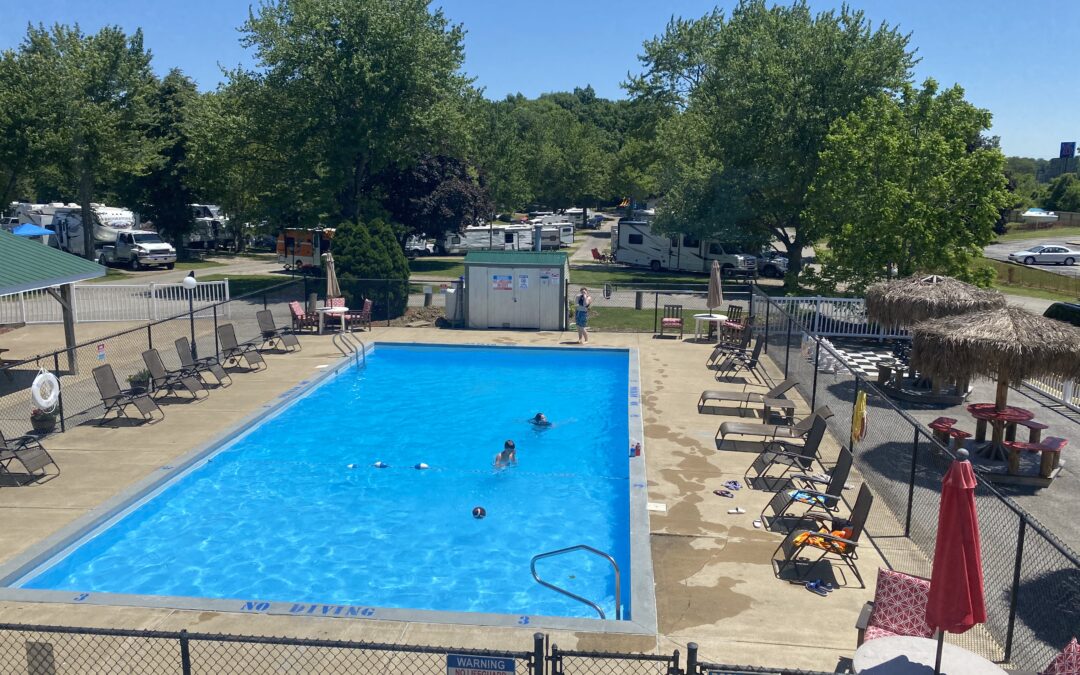
At Sandusky Milan RV Park, we combine on-site amenities with convenient access to the surrounding communities. We have full hookups, a heated pool, two playgrounds, and well-maintained grounds. We are also approximately ten minutes from Sandusky, Huron, and Milan.
The surrounding area provides access to fishing, hiking, shopping, and other recreational opportunities. Our guests can combine time at the park with activities throughout the region.
We also make the booking process straightforward with clear information about rates, site options, and property features. Our roads were repaved in 2024, and our office team is available to answer questions about accommodations, pricing, and nearby attractions.
For travelers comparing several properties, having detailed information before making a reservation can make the selection process more efficient. Guests can evaluate site conditions, amenities, pricing, and location based on the requirements of their trip.
If you have questions about what sets our park apart, don’t hesitate to get in touch. We’re glad to walk you through site options, pricing, and everything nearby before you book.
Frequently Asked Questions
Can I stay at an RV park for just one night?
Yes. Many RV parks accommodate nightly, weekly, monthly, and seasonal stays. Availability and minimum-stay requirements vary by property, so travelers should confirm the applicable booking terms before making a reservation.
Do RV parks allow tent camping, or only RVs and trailers?
Policies vary between properties. Some RV parks are designed exclusively for recreational vehicles, while others have designated tent sites. Travelers planning to camp in a tent should confirm the property’s accommodations before booking.
Are pets allowed at RV parks?
Many RV parks permit pets, although individual policies vary. Properties may have specific requirements regarding leashes, breed restrictions, designated pet areas, and additional fees. Guests should review the pet policy when making a reservation.